

Surfing at beaches suited to your skill level is essential for safe progression and fully enjoying the experience. Choosing a beach that matches your abilities allows you to better handle the waves, avoid hazards, and improve gradually. Here are some tips to help you surf at beaches appropriate for your level, whether you're a beginner, intermediate, or advanced surfer.
1. Assess your surfing level
Before choosing a beach, it's important to know your skill level. Here's a quick reminder of the different surfing levels:
- Beginner You are still learning how to stand up on the board and catch your first waves.
- Intermediate You know how to catch bigger waves, you're starting to move on the wave, but you're not quite comfortable with more complex maneuvers yet.
- Advance : You have good mastery of maneuvers (bottom turn, cutback, etc.) and you are able to surf more powerful and technical waves.
2. Choose a beach based on your skill level
Depending on your surfing level, some beaches are more suitable than others. Here's what to look for at each level:
has. Beaches for Beginners
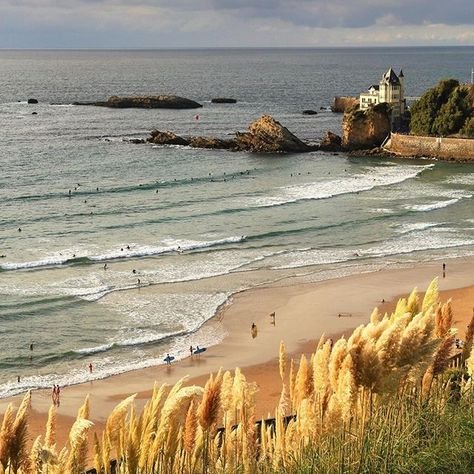
- Searches: Beaches with small waves And shallow waters, low current, and a secure environment.
- Features :
- Gentle, long waves This allows you to practice catching a wave without pressure, while still having enough time to get up and ride.
- Little or no current Currents can be dangerous for beginners. A calm beach or one protected by rocks is ideal.
- Wide, sandy beach This gives you more space to practice without risking getting too close to other surfers or swimmers.
- Examples of beaches for beginners :
- The Basque Coast (Biarritz, France): One of the most famous beaches for beginners, with moderate waves and a wide beach.
- Banzai Pipeline (Hawaii): Although Pipeline is renowned for its expert-level waves, there are nearby spots with smaller waves, perfect for beginners in Hawaii.
- Santa Teresa (Costa Rica): A popular beach with gentle waves for beginners.
b. Beaches for Intermediate Surfers
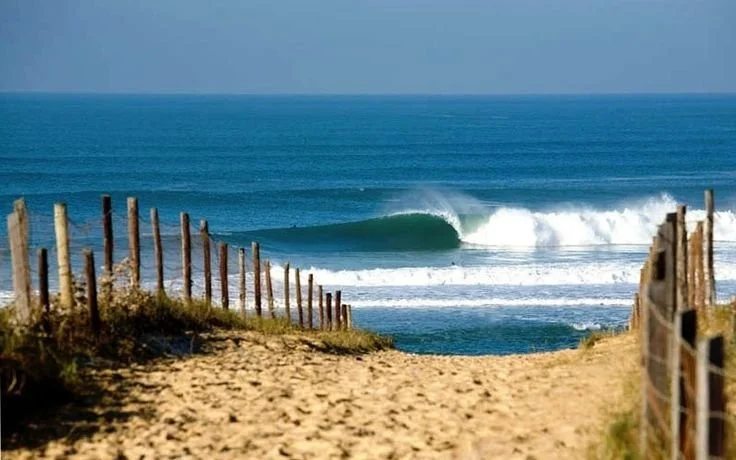
- Searches: Beaches with moderate waves (neither too small nor too big), often a little longer and faster. Some surfing experience is necessary.
- Features :
- Medium-sized waves You can practice maneuvers like the bottom turn, the cutback or even try a small re-entry.
- Areas without too many people It's important to be able to catch waves without too many surfers around you. This allows you to learn better without being constantly disturbed.
- Wind and variable conditions Conditions can be a little more changeable, sometimes with a crosswind or a small current.
- Examples of beaches for intermediate users :
- The Gravel Pit (Hossegor, France): A popular wave for intermediate and advanced surfers, with longer and faster waves than a beginner might encounter in a calmer spot.
- Rincon (Puerto Rico): This very famous beach offers medium-sized waves and is perfect for intermediate surfers looking to improve their technique.
- Muizenberg (Western Cape, South Africa): This beach offers moderate waves suitable for intermediate surfers.
c. Beaches for Advanced Surfers
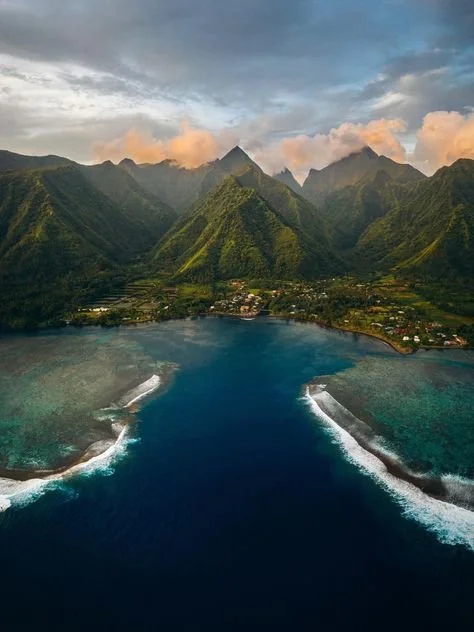
- Searches: Beaches with powerful waves, of the strong currents, of the rocks or Reef breaks where the waves are more difficult to control.
- Features :
- Powerful and fast waves These spots are perfect for advanced surfers with good board control. The larger waves require good mastery of wave catching, speed, and maneuvers.
- Complexity of the seabed Reefs or sandbanks can offer perfect waves for advanced surfers, but these spots are more dangerous.
- More variable conditions Currents and waves can be unpredictable, so it is important to be well prepared.
- Examples of advanced beach activities :
- Teahupo'o (Tahiti): A very powerful wave, reserved for experienced surfers, which breaks on a shallow reef.
- Jeffreys Bay (South Africa): Known for its long and powerful right-hand waves, it is a spot for advanced surfers.
- Uluwatu (Bali): A beach with several powerful and technical waves, ideal for experienced surfers.
3. Other criteria to consider
has. Weather and swell conditions
- Always check the swell forecast Before going surfing, choose a spot based on the expected swell to better manage the conditions.
- THE safety flags and the presence of rescuers are also important criteria, especially for beginners.
b. The tide
- Some beaches offer better waves at high tide, while others are better at low tide. Check the local tide conditions to avoid ending up with waves less suited to your skill level.
c. Beach attendance
- On crowded beaches, you're likely to encounter many other surfers or swimmers, which can make the experience more stressful. Choose a less popular spot to practice in peace and quiet, especially if you're a beginner.
d. The other surfers
- On some very popular beaches, you might find experienced surfers catching the best waves. If you're intermediate or a beginner, try to find a beach with fewer surfers or spots better suited to your skill level.
4. Additional tips
- Start with smaller spots If you want to progress, start with smaller waves, even if you're at an intermediate level. This will allow you to perfect your basics before tackling more powerful waves.
- Remain respectful of other surfers No matter your level, it is always important to respect local rules, such as priority on the wave, and not to disturb other surfers.
- Request from local councils Locals often know the best spots for each level and can direct you to the areas best suited to your surfing ability.
Conclusion :
To improve your surfing, it's essential to choose beaches that match your skill level. Beaches with small, gentle waves are ideal for beginners, while spots with moderate waves are perfect for intermediate surfers. Experienced surfers will seek out more powerful and technical waves, often found on reefs or exposed beaches. In all cases, always be mindful of the weather conditions and respect other beachgoers for a safe and enjoyable surfing experience.
