The type of board depends on several factors such as your surfing level, your weight, ta size, and the wave conditions which you want to surf. Here's a guide to help you choose the surfboard according to your skill level.
1. Surfboard for Beginners
If you are beginner, The goal is to find a stable board that's easy to maneuver and allows you to catch waves without difficulty. Here are the recommended types of boards:
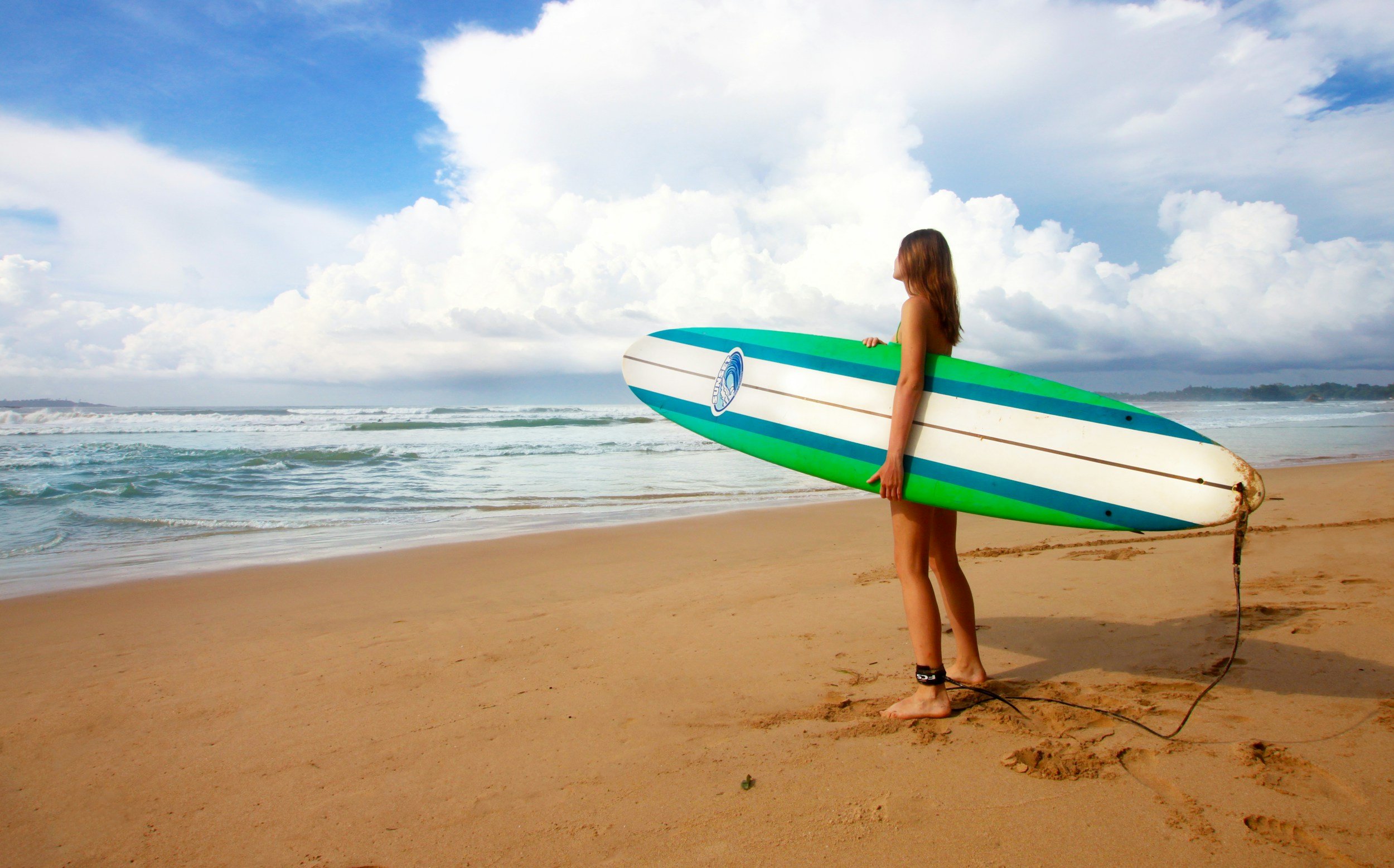
has. Longboard
- Features Classic longboard, usually of 8′ to 9′ (or longer), with a large width, a wide nose (front of the board) and a large surface area.
- Why is this good for beginners? :
- Stability The size and shape of the longboard offer excellent stability, making it easier for you to stand up.
- Ease of catching waves Longboards are perfect for catching smaller, gentler waves, ideal for first steps in surfing.
- Simple maneuvers Easier to learn to row, catch a wave and make your first outings smoothly.
- Example : Foam longboard (Soft top) for added safety.

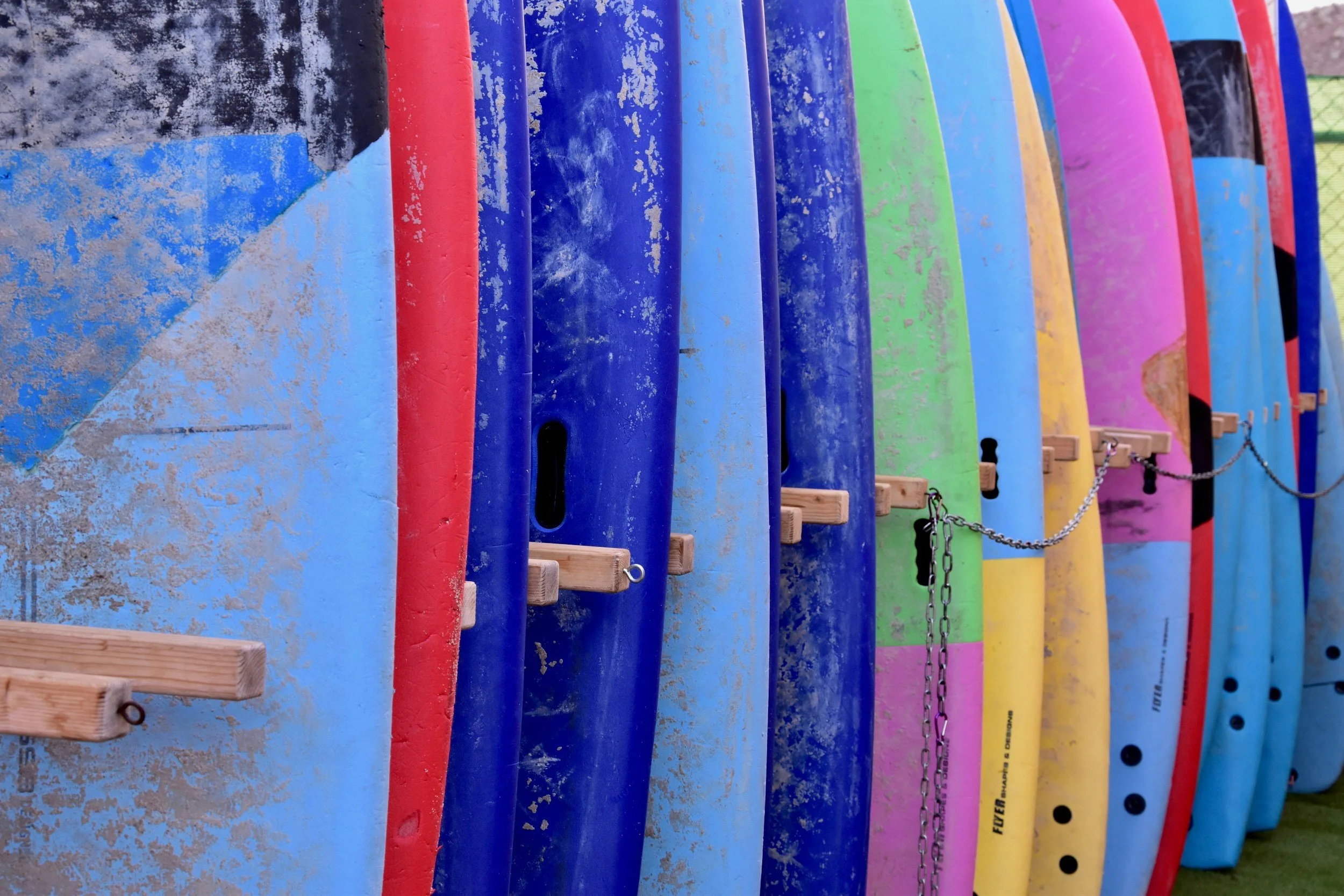
b. Foam board (Soft top)
- Features These boards are often made of foam, which makes them lighter and safer.
- Why is this good for beginners? :
- Security The foam helps to limit the risk of injury if you are hit by the board.
- Buoyancy They are very buoyant, which makes it easier to catch waves and learn.
- Stability and comfort : Perfect for starting out without too much stress.
- Example : 7' to 8' foam board.
c. Mini-malibu
- Features A board somewhere between a longboard and a shortboard, with a length of 7′ to 8′.
- Why is this good for beginners? :
- Versatile It offers a good compromise between maneuverability and stability.
- Easier to maneuver than a longboard, but it remains stable enough for you to learn to paddle and catch waves without difficulty.
2. Surfboard for Intermediate Users
If you already have some surfing experience and know how to stand up on the board and catch waves, you can consider more technical boards to refine your technique and try new maneuvers. Here are the options:
has. Funboard
- Features Board of average length 6′ to 7′. It's a board somewhere between a longboard and a shortboard.
- Why is this good for intermediaries? :
- Maneuverability and stability : The funboard is more maneuverable than a longboard, which allows you to improve your maneuvers while remaining relatively stable.
- Small to medium waves : Suitable for medium-sized waves and more powerful than a beginner spot.
- Example : Funboard with a more pointed nose for greater responsiveness.

b. Shortboard (medium size)
- Features A board shorter than a longboard, with a length of 6′ to 6'6″. It is lighter and more responsive, ideal for intermediate surfers.
- Why is this good for intermediaries? :
- Reactivity The shorter board is more agile and allows you to work on maneuvers like turns and snaps.
- More powerful waves Shortboards are suited to more powerful waves, perfect if you want to progress on higher waves.
- Example : Shortboard with a slightly wider tail, offering greater stability.
3. Surfboard for Experienced/Advanced Surfers
If you have good surfing skills, you can move on to smaller, more technical boards to push your limits on bigger, faster waves. Here are the options for an advanced level:
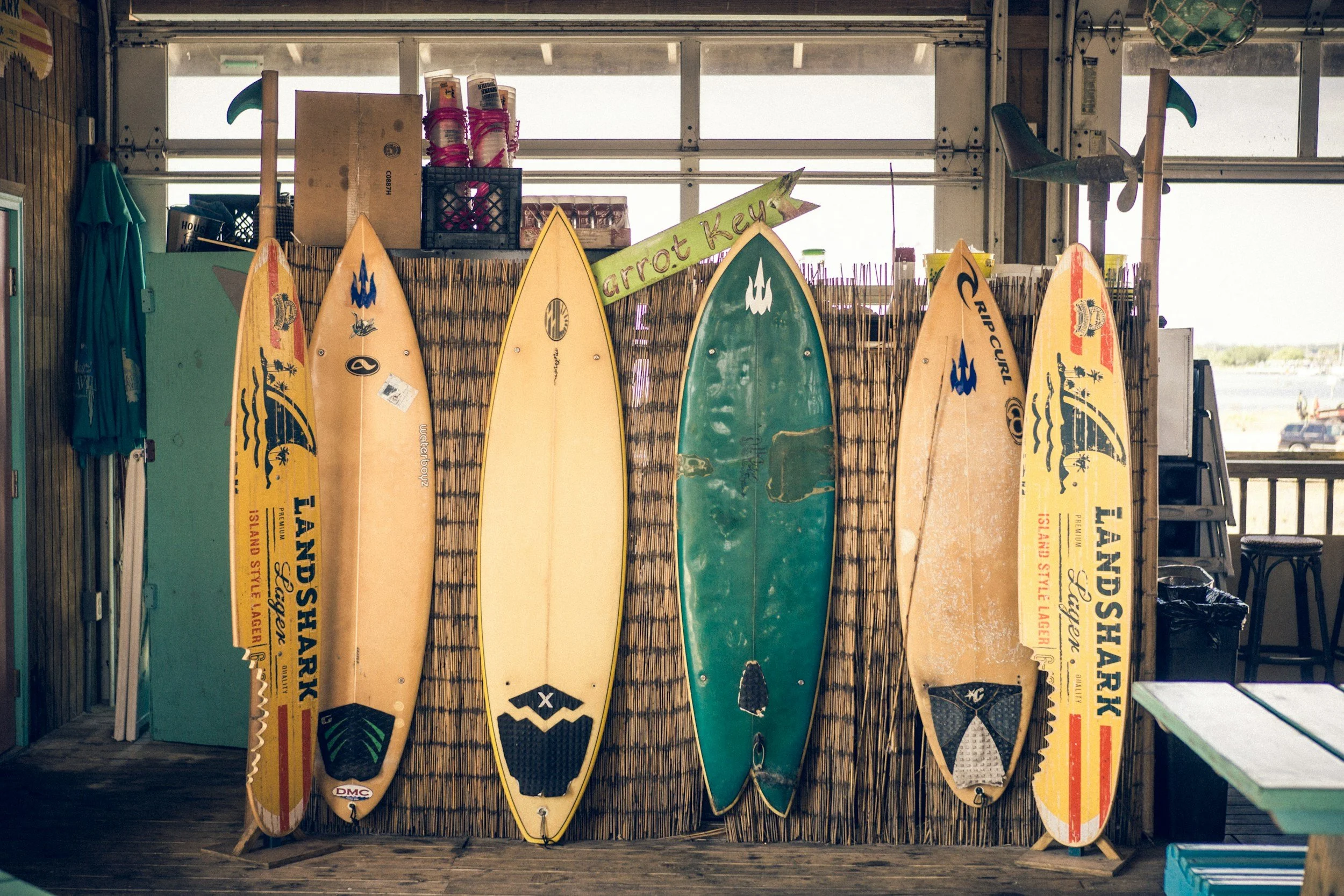
has. Shortboard
- Features Short board (of 5'8″ to 6'0″) and narrow, designed for quick maneuvers and powerful waves.
- Why is this good for experienced surfers? :
- Agility and speed It allows for very reactive and rapid movements in powerful waves.
- Powerful waves : Ideal for higher and faster waves where you can gain speed to perform complex maneuvers.
- Advanced maneuvers : Allows for tight turns, airs, cutbacks and other advanced maneuvers.
- Example : Shortboard performance with a narrow tail for speed and control.
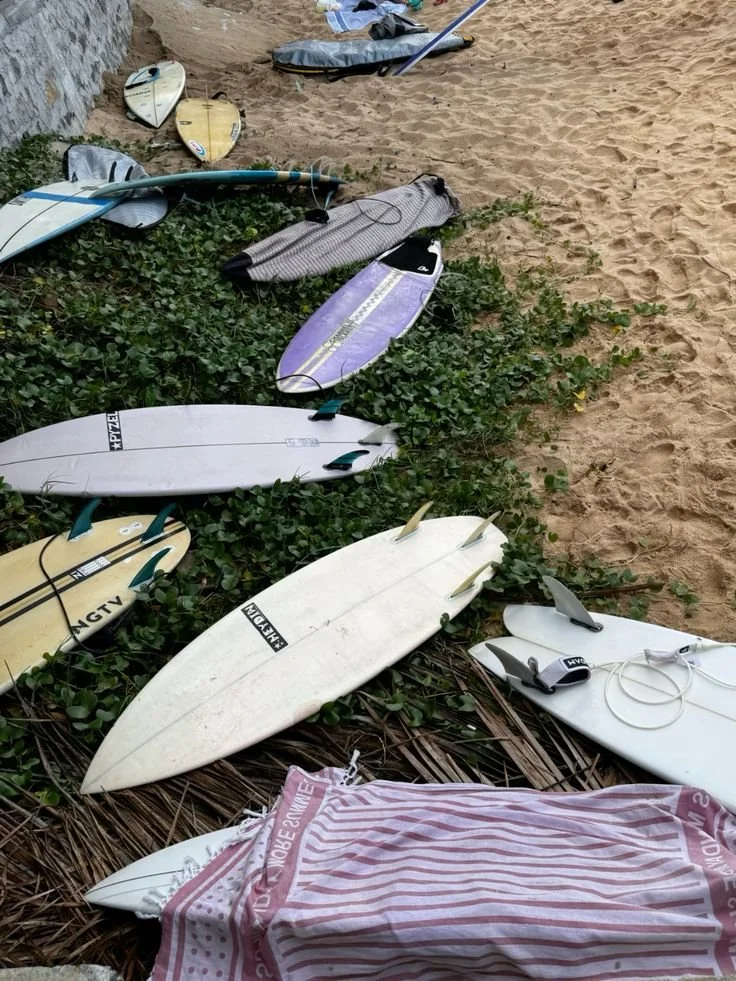
b. Step-up Board
- Features : An intermediate-sized board between a shortboard and a gun (for big waves), generally between 6'6″ and 7'0″.
- Why is this good for experienced surfers? :
- Larger waves : Ideal for surfers who want to surf increasingly bigger waves.
- Stability and maneuverability : Allows for good stability while offering excellent responsiveness in more powerful waves.
- Example : Step-up with a slightly wider outline and an elongated tail shape for more control.
c. Gun
- Features Longer board (usually more than 7'0″), used for big waves.
- Why is this good for experienced surfers? :
- Massive waves : Suitable for extreme conditions and very powerful waves.
- Stability and acceleration Thanks to its length, it allows you to pick up speed on very large waves and control the descent.
4. Other Criteria to Consider
- Weight and size The taller and heavier you are, the larger and more stable your board will need to be (longboard or funboard). Smaller boards are better suited to lighter surfers.
- Wave type If you're surfing small, gentle waves, a longer, more stable board (longboard) will be preferable. For more powerful waves, a shorter, more responsive board (shortboard) is ideal.
- Foam or fiberglass The boards in mousse (soft-top) boards are safer and recommended for beginners, while boards made of fiberglass offer more performance and are suitable for more advanced surfers.
Conclusion
Your choice of surfboard depends on your level, of your size, and wave conditions in which you want to progress. For beginners, a foam board (soft-top) or a longboard is perfect for learning the basics, while intermediate surfers can turn to a funboard or a shortboard. If you're already an experienced surfer, a shortboard or a gun will allow you to progress on bigger and more technical waves.
Don't forget to take into account the morphology of your board and the local conditions to make the best choice for your surfing!